

Veteran Entrepreneurship: Breaking Barriers and Building the Future of Business
Veterans have a long history of breaking barriers and pushing boundaries, and their entrepreneurship is no exception. Through their unique skills, experiences, and determination, veteran entrepreneurs are breaking down barriers and building the future of business. In this blog post, we'll explore the challenges that veteran entrepreneurs face, the resources available to support them, and the ways in which they are driving innovation and growth in the business world.
One of the biggest challenges facing veteran entrepreneurs is access to capital. Starting a business requires significant financial resources, and veterans often face additional obstacles when seeking funding. Despite their track record of success and leadership in the military, veterans may be overlooked by traditional lenders and investors due to biases and misconceptions about their ability to run a successful business.
To overcome these barriers, veterans are turning to alternative sources of funding and support. Crowdfunding platforms like Kickstarter and Indiegogo have become popular among veteran entrepreneurs, as they offer a way to raise capital and build a community around their business ideas. Additionally, veteran-focused organizations like the Veteran Entrepreneur Program (VEP) and the Veterans Business Outreach Center (VBOC) offer resources and support for veterans seeking funding, as well as mentorship, training, and networking opportunities.
Another challenge facing veteran entrepreneurs is navigating the complex landscape of regulations and compliance. Starting a business involves navigating a maze of legal and regulatory requirements, and veterans may struggle to understand and comply with these requirements. This is where organizations like the VBOC and the Small Business Administration (SBA) can provide valuable support, offering guidance and resources on topics like business structure, licensing, taxes, and insurance.
Despite these challenges, veteran entrepreneurs are making a significant impact in the business world. One example is the story of veteran-owned business GovX, an online marketplace that offers exclusive discounts on products and services to members of the military, first responders, and other government employees. The company has grown rapidly since its founding in 2011, with over 1 million registered members and partnerships with major brands like Nike, Oakley, and Apple.
Another example is the story of veteran-owned brewery Veterans United Craft Brewery, which was founded by a group of Navy veterans in 2013. The brewery has become a popular destination for beer enthusiasts and has won numerous awards for its craft beers. The owners attribute their success to their military training, which taught them discipline, teamwork, and attention to detail.
The success of veteran entrepreneurs is not only a reflection of their unique skills and experiences but also their commitment to innovation and growth. Many veteran-owned businesses are at the forefront of new technologies and industries, such as cybersecurity, renewable energy, and healthcare. By leveraging their skills and experiences, veteran entrepreneurs are driving innovation and creating new opportunities for themselves and their communities.
In conclusion, veteran entrepreneurs are breaking down barriers and building the future of business through their determination, innovation, and leadership. Despite the challenges they face, veteran entrepreneurs are finding ways to overcome obstacles and build successful businesses that contribute to the strength of the American economy. By supporting veteran-owned businesses and providing resources and opportunities, we can help ensure that the next generation of veteran entrepreneurs continues to drive innovation and growth in the business world.

Veterans in Business: Supporting Each Other and Driving Economic Growth
Veterans are a vital part of the American economy, contributing to the strength and resilience of our nation through their service and leadership. Now, more than ever, veteran entrepreneurs are driving economic growth and creating new opportunities for themselves and their communities. In this blog post, we'll explore the ways in which veterans are supporting each other and driving innovation in the business world, leveraging their unique skills and experiences to build successful businesses and create jobs.
One of the key ways in which veterans are supporting each other is through mentorship and networking. Organizations like the Veterans Business Network and the Veteran Mentor Network connect veteran entrepreneurs with experienced business leaders and mentors who can offer guidance, support, and advice. These networks provide a valuable source of support for veteran entrepreneurs who may face unique challenges and obstacles in starting and growing their businesses.
Another way in which veterans are supporting each other is through collaboration and partnerships. Veteran-owned businesses often have a shared experience and sense of camaraderie, which can create opportunities for collaboration and partnerships. For example, veteran-owned cybersecurity firm Gryphon Technologies has partnered with other veteran-owned businesses to provide cybersecurity services to government agencies and contractors. These partnerships not only create new business opportunities but also reinforce the bonds of trust and respect that are central to the military experience.
In addition to supporting each other, veteran entrepreneurs are driving economic growth through innovation and entrepreneurship. Many veteran-owned businesses are at the forefront of new technologies and industries, such as renewable energy, cybersecurity, and healthcare. These businesses are not only creating new jobs and economic opportunities but also contributing to the strength and competitiveness of American industry.
One example of a veteran-owned business that is driving innovation is Unmanned Systems Operations Group (USOG), a drone services company founded by a Marine Corps veteran. USOG offers a range of drone services, including aerial inspections, mapping, and surveying, and has worked with clients in industries such as construction, energy, and transportation. The company has also provided disaster response and recovery services, such as using drones to assess damage in the aftermath of Hurricane Harvey in Texas.
Another example is the story of veteran-owned business Rumi Spice, which sources and sells high-quality saffron from farmers in Afghanistan. The company was founded by three Army veterans who served in Afghanistan and saw the potential for the country's agricultural products to compete in the global market. Rumi Spice not only provides economic opportunities for Afghan farmers but also supports veterans through its partnership with the Farmer Veteran Coalition, which helps veterans transition to careers in agriculture.
In conclusion, veterans are supporting each other and driving economic growth through entrepreneurship and innovation. By leveraging their unique skills and experiences, veteran entrepreneurs are creating new opportunities for themselves and their communities, contributing to the strength and competitiveness of American industry. By supporting veteran-owned businesses and providing resources and opportunities, we can help ensure that the next generation of veteran entrepreneurs continues to thrive and drive economic growth.

From Combat to Commerce: 5 Key Lessons for Veteran Entrepreneurs
The transition from military to civilian life can be challenging, especially when it comes to starting a business. However, veterans bring a unique set of skills and experiences that can be leveraged to create a successful business. In this article, we will explore five key lessons that every veteran entrepreneur should keep in mind when starting a business. By learning these lessons and applying them to your business, you can achieve success in the world of entrepreneurship.
Lesson 1: Adaptability is Key
In the military, adaptability is crucial to success. In the business world, this is no different. As a veteran entrepreneur, you must be willing to adapt to changing circumstances and be flexible in your approach. This means being open to new ideas and adjusting your business strategy as needed. By staying adaptable, you can stay ahead of the competition and navigate any challenges that come your way.
Lesson 2: Leadership Skills are Valuable
Leadership is a critical skill in both the military and the business world. As a veteran entrepreneur, you have experience leading teams and making important decisions under pressure. This experience can be incredibly valuable in running a successful business. By leveraging your leadership skills, you can build a strong team and guide your business to success.
Lesson 3: Attention to Detail is Essential
Attention to detail is critical in the military, and it is just as important in the business world. Small mistakes can have significant consequences for your business, so it's essential to pay close attention to every detail. Whether it's reviewing contracts or managing finances, attention to detail can help you avoid costly mistakes and ensure your business runs smoothly.
Lesson 4: Resilience is a Must-Have Trait
In the military, resilience is essential for overcoming challenges and achieving success. This trait is equally important in the business world. As a veteran entrepreneur, you will face many obstacles and setbacks. However, by staying resilient and persistent, you can push through these challenges and achieve your goals.
Lesson 5: Networking is Key to Success
Finally, networking is critical to success in the business world. As a veteran entrepreneur, you have a unique advantage in this area. The military community is a close-knit group, and there are many resources available to veterans starting a business. By networking with other veteran entrepreneurs, you can gain valuable insights and support that can help you grow your business.
In conclusion, transitioning from military to entrepreneurship can be challenging, but it's not impossible. By applying the lessons learned in the military and leveraging your unique skills and experiences, you can achieve success as a veteran entrepreneur. Remember to stay adaptable, leverage your leadership skills, pay attention to detail, stay resilient, and network with other veteran entrepreneurs. With these key lessons in mind, you can build a thriving business and make a successful transition to civilian life.
Bonus Tip: Seek Out Mentors and Resources
As a veteran entrepreneur, it's essential to seek out mentors and resources that can help you navigate the world of entrepreneurship. Starting a business can be overwhelming, and having someone to turn to for guidance and support can make a significant difference.
One excellent resource for veteran entrepreneurs is the Veterans Business Outreach Center (VBOC). The VBOC provides training, counseling, and mentoring to help veterans start and grow their businesses. They can help you develop a business plan, secure financing, and navigate the complex world of entrepreneurship.
Another valuable resource is SCORE, a nonprofit organization that provides free business mentoring and education. SCORE mentors are experienced business professionals who can offer guidance on everything from marketing and sales to finances and operations.
In addition to these resources, it's also essential to seek out mentors within your industry. Look for successful entrepreneurs who have experience in your field and are willing to offer guidance and support. Networking events and industry conferences are excellent opportunities to connect with these mentors and learn from their experiences.
Finally, don't forget to lean on your military network. Many veterans have gone on to start successful businesses, and they can offer valuable insights and support as you navigate the world of entrepreneurship. Whether it's a fellow veteran entrepreneur or a military spouse who has experience running a business, these connections can be invaluable.

🫡Our Team
-
![A woman wearing a navy blazer with an embroidered coat of arms, gold lapel pin, and jewelry, sitting with her hands clasped, with American flags in the background.]()
President Angel Shuford
Chief Financial Officer (CFO) | Army Veteran
-
![A man in a blue suit and white shirt standing in front of an American flag against a black background.]()
Retired U.S. Army First Sergeant Kevin D. Shoun
Senior Advisor | Civic Leadership and Policy Development
-
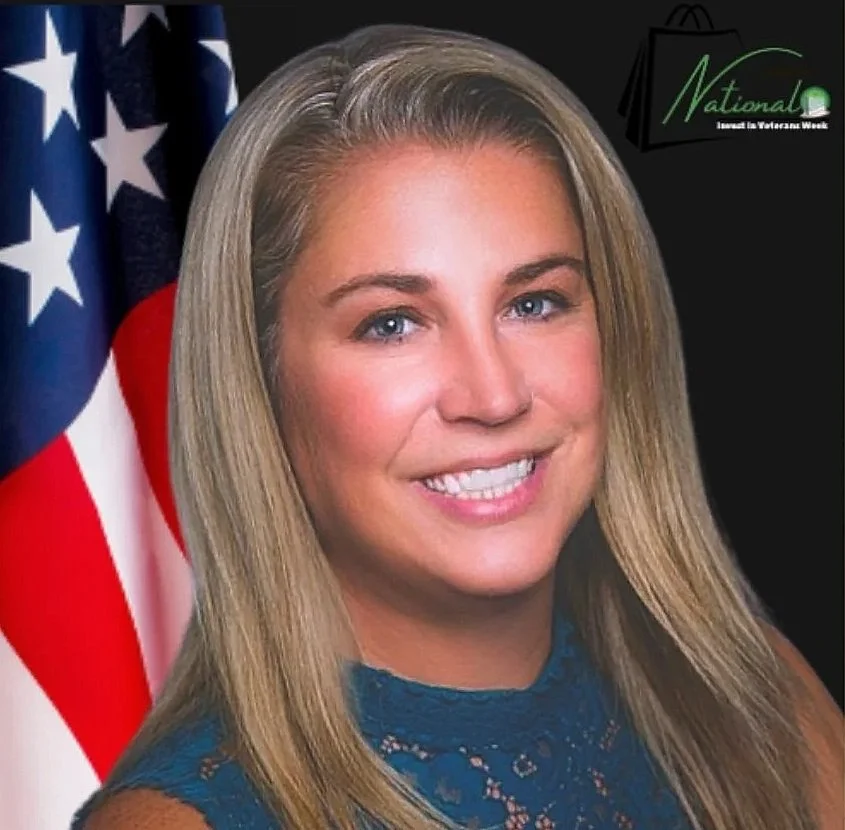
![A woman with blonde hair smiling in front of an American flag and a black background with a logo that says 'National Invest in Veteran Owned Business Week.']()
Sara Pomposo
Chief Advisor | Audience Growth & Strategic Syndication
-
![A man in a red shirt holding a music award trophy, standing next to a framed platinum record plaque on display, with framed posters and awards hanging on the wall behind him.]()
Jim Freeman of The Five Satins
GRAMMY Hall of Famer | Brand Ambassador
-
![A man with gray hair and glasses stands behind a music stand, speaking into a microphone while using hand gestures, against a dark background.]()
Pastor Ron Henson
Social Impact Advisor | Navy Veteran
-
![A man in a U.S. military uniform in front of an American flag.]()
LTC Rickey L. Pope USA, Ret.
CO-FOUNDER | Retired Army Veteran, Retired Firefighter
-
![A man in a gray blazer and shirt posing with arms crossed in front of a city skyline at dusk, with buildings and a bridge reflected in the water.]()
Jeff Shuford
CO-FOUNDER | Iraq War Veteran & Military Spouse
-
![Three men in a discussion in an office break room with black and white geometric wallpaper. One man with a beard, wearing glasses and a suit, is talking to a bald man wearing a black sweater, who is making a gesture with his hands. The third man with dreadlocks, dressed in a blue suit and holding papers, listens attentively.]()
Drayton Florence
CO-FOUNDER | NFL Veteran & Military Brat
-
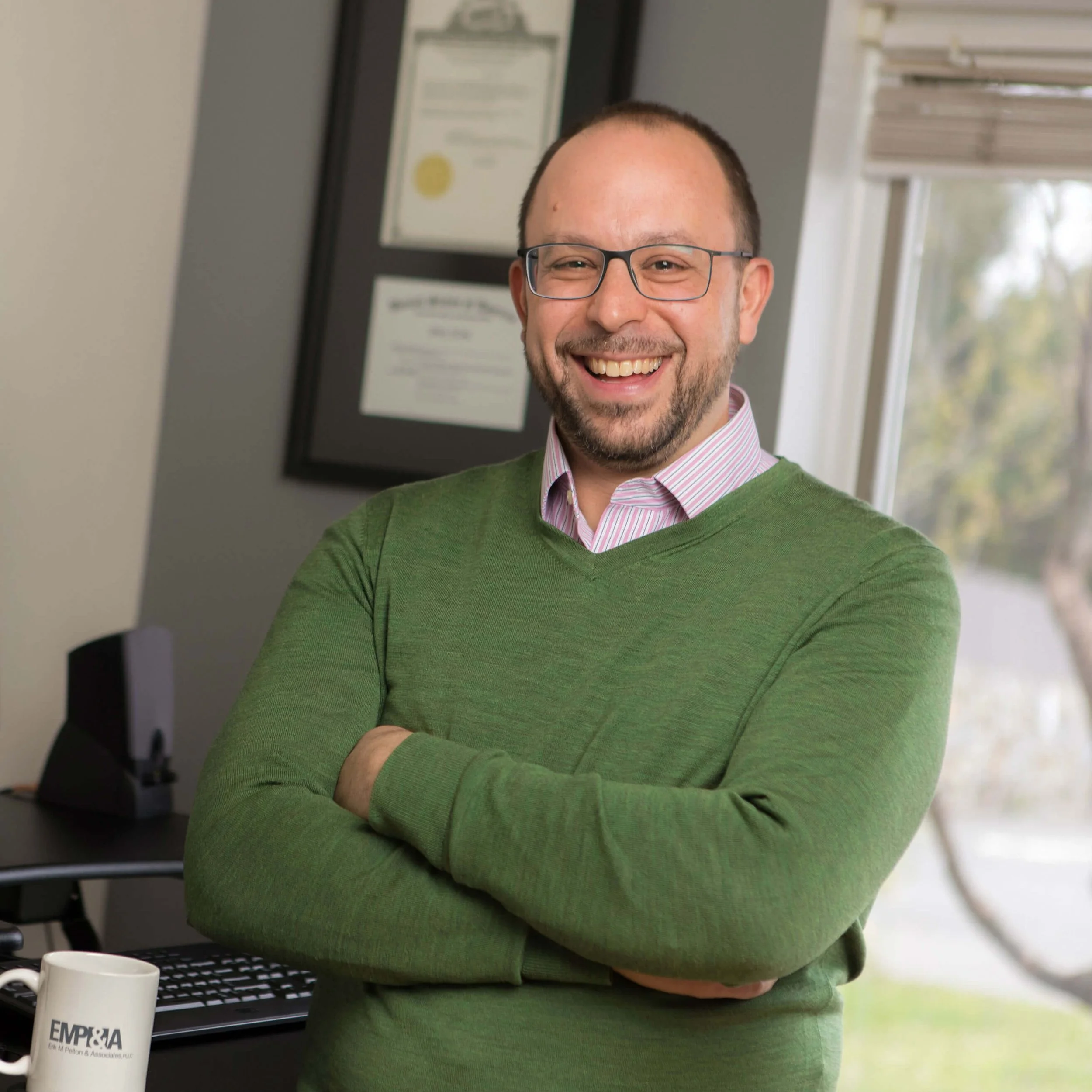
![A smiling man with glasses, wearing a green sweater over a striped collared shirt, standing with crossed arms in an office space near a window, with framed certificates on the wall behind him.]()
Erik M. Pelton & Associates, PLLC
Trademark Attorney | Veteran IP Advocate
-
![A man in a green vest with a plaid shirt and bow tie standing in front of a booth labeled 'Body Aqua' at a trade show or expo.]()
CPT Sherman WIlliams, USA, Ret.
Advisor | Retired Army Veteran
-
![Two men in business suits having a meeting in an office with a window showing a city view, discussing a presentation on a laptop.]()
Brandon Sugar
Legacy UX/UI Designer | Army Veteran
-
![A young man with dark hair styled back, light eyes, and a light beard, wearing a blue suit and white shirt, looking at the camera.]()
Mike Bicek
Creative Director | Army Veteran
-
![A small brown and black puppy sitting on a red folding chair at the beach, with sunglasses and a colorful bag in the background.]()
Private Jewel
Co-Founders Pup | Biewer Terrier
-
![A smiling man wearing sunglasses and a striped white shirt.]()
Lonnell McCall I
Sr. Spokesperson | Retired Navy Veteran
-
![]()
Celeste Everett
Legacy IT Consultant | Army Veteran
-
![Composite image of three young men dressed as a graduate, a football player, and a young man in formal wear against a stadium background.]()
Lonnell McCall II
Jr. Spokesperson | Military Brat
-
![Close-up of a young man with dark brown hair, styled back, with light eyes, a light beard, and wearing a dark shirt, standing in front of a background with horizontal lines.]()
Christopher B. Mueller
Lead Video Spokesperson | Veteran Advocate







“As an educator committed to professional growth, I fully endorse National Invest in Veterans Week® for recognizing that veterans are vital economic assets who deserve tangible support in entrepreneurship and workforce development.”