Access to Capital
One of the biggest hurdles veteran entrepreneurs face is access to financial capital and funding sources. This can stem from issues like lack of established credit history, fewer personal assets to use as collateral for loans, and investor bias against veteran-owned startups.
Business Experience Gap
Many veterans lack formal business training or professional experience outside of the military before starting a company. Specific gaps can include limited entrepreneurship education and mentorship, underdeveloped professional networks and industry connections, and the need to translate military skills to the business environment.
Navigating Regulations and Red Tape
Veteran business owners often struggle with complex regulations, licensing requirements, taxes, legal fees, and government contracting processes at the federal, state, and local levels. This regulatory burden can slow growth.
Social and Human Capital
Building social capital through networking, finding quality employees and mentors, and connecting with other entrepreneurs is another common challenge cited by veteran business owners.
Mental Health Considerations
Around one-third of veterans report mental health conditions like PTSD, anxiety or depression, which can impact their ability to successfully run a business if untreated.
Opportunities for Veteran Entrepreneurs
Entrepreneurial Traits from Military Experience
Veterans often possess traits linked to successful entrepreneurship, including confidence and high self-efficacy, good decision-making in chaotic environments, and independence and achievement motivation.
Diverse Business Ownership
Veteran entrepreneurs are diverse in age, race/ethnicity, disability status and professional backgrounds, allowing them to start businesses across many different industries.
Support Resources and Programs
There are a growing number of resources, funding programs, business accelerators and support networks tailored specifically for veteran entrepreneurs, such as veteran entrepreneur training programs and competitions, specialized business mentors and coaching, veteran loans, investment funds and grant programs, and veteran business owner associations and networking groups.
Successful Veteran Business Role Models
Many high-profile companies were started by veteran entrepreneurs who drew on their military experience, including FedEx, Nike, GoDaddy and others. Their success stories can inspire the next generation.
While the path is challenging, the unique skills and experiences of veterans, combined with targeted resources, create opportunities for veteran entrepreneurs to build sustainable, thriving businesses. Continued efforts to lower barriers and provide guidance are key to unleashing this economic potential.

















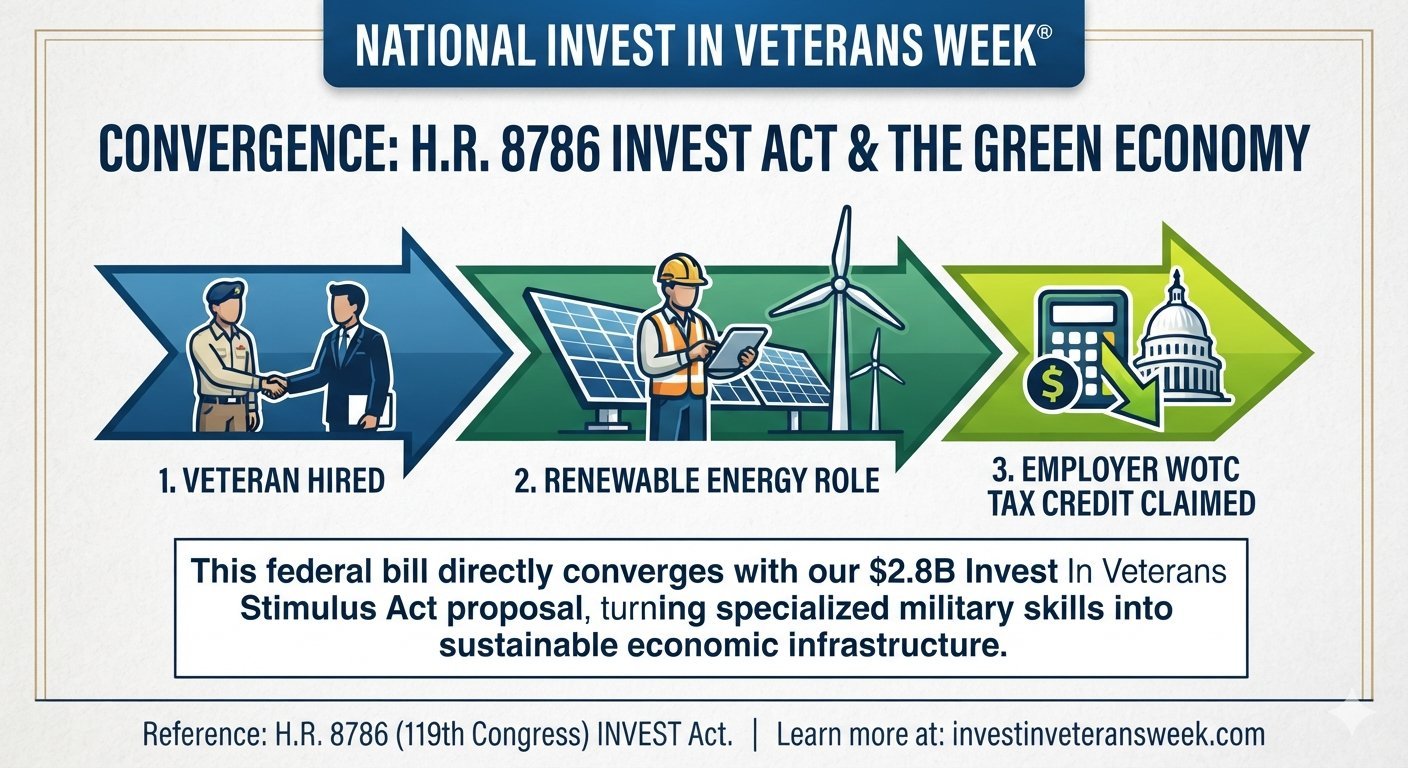














In the days following National Invest In Veterans Week® 2025, Wisconsin delivered a decisive policy response. Governor Tony Evers’ 2025–2027 budget commits more than $250 million in combined tax relief, housing, mental health services, cultural preservation, and capital upgrades for veterans—demonstrating how states can translate recognition into real, structural investment. Wisconsin’s approach reinforces a central principle of National Invest In Veterans Week®: veteran empowerment is strongest when economic policy, healthcare, housing, and workforce development move together.