

Unlocking Success: Veteran-Owned Business Tips for the Modern Entrepreneur
Veterans possess a remarkable set of skills and expertise that make them highly suited for entrepreneurship. Their military background instills in them an unwavering work ethic, excellent leadership capabilities, and a remarkable ability to adapt to changing circumstances. These traits are highly beneficial in the fast-paced and constantly evolving world of business. However, establishing and running a successful business can be a daunting task, even for the most seasoned veterans. In this column, we'll delve into the top tips for success as a veteran-owned business in today's economy, as recommended by prosperous veteran entrepreneurs.
Veterans bring a unique set of skills and experience to the table when it comes to entrepreneurship. From their time in the military, veterans have developed a strong work ethic, leadership abilities, and the ability to adapt quickly to changing situations. These traits make them well-suited to the fast-paced and ever-changing world of business. However, starting and running a successful business is no easy task, even for the most experienced veterans. In this column, we'll explore some of the top tips for success as a veteran-owned business in today's economy, as shared by successful veteran entrepreneurs.
As a veteran entrepreneur, it's essential to have a clear vision for your business. Before diving in, take some time to map out your goals and objectives. This includes identifying your target market, researching your competition, and determining your unique selling proposition. Once you have a clear understanding of where you want to take your business, you can begin to develop a solid plan to get there.
One of the most important skills for any entrepreneur, veteran or not, is the ability to adapt to changing circumstances. In the military, veterans learn how to be resourceful and think on their feet in unpredictable situations. These skills translate well to the business world, where unexpected challenges are common. As a veteran entrepreneur, it's important to remain flexible and open-minded, and be willing to pivot your business strategy when necessary.
Networking is another key aspect of building a successful veteran-owned business. The military community is a tight-knit group, and there are many resources available to veterans who are starting or growing a business. Joining a veteran-focused business association or attending networking events can help you connect with other like-minded entrepreneurs, as well as potential clients and partners. Additionally, seeking out mentorship from more experienced entrepreneurs can provide valuable insights and guidance as you navigate the ups and downs of entrepreneurship.
As a veteran entrepreneur, it's important to understand the financial aspects of running a business. This includes developing a solid budget, managing cash flow, and seeking out financing options when necessary. Many veterans have access to special financing programs and grants that can help them start or grow their businesses. However, it's essential to do your research and ensure that you are taking advantage of all available resources.
Finally, never underestimate the power of hard work and perseverance. Starting and running a successful business takes time, effort, and dedication. There will be challenges and setbacks along the way, but by remaining focused on your goals and staying committed to your vision, you can overcome these obstacles and achieve success.
In conclusion, veterans have a wealth of skills and experience that make them well-suited to entrepreneurship. By following these tips and learning from the experience of successful veteran entrepreneurs, you can unlock the key to success in today's fast-paced economy. Remember to stay focused, adaptable, and committed to your vision, and you'll be well on your way to building a thriving veteran-owned business.

Taking the Leap: A Veteran's Guide to Starting a Successful Business
As a veteran, you've already proven yourself to be resilient, hardworking, and committed to a mission. These traits can be invaluable when it comes to starting your own business. However, entrepreneurship comes with its own set of challenges, and it's important to be prepared and informed before taking the leap. In this column, we'll explore some key tips for veterans looking to start a successful business, from identifying a niche to building a strong network of support.
If you're a veteran looking to start a business, you're not alone. According to the Small Business Administration (SBA), veterans are more likely to start their own businesses than non-veterans, and veteran-owned businesses contribute over $1 trillion to the U.S. economy each year. But starting a business can be a daunting task, especially if you're not sure where to begin. Here are some key tips to help you get started:
Identify your niche: Before you can start a successful business, you need to identify a need in the market that you can fulfill. This means identifying a product or service that you're passionate about and that meets a need that's not currently being met. Look for gaps in the market that you can fill with your skills and experience.
Develop a business plan: Once you've identified your niche, it's important to develop a solid business plan. This should include details about your product or service, your target market, your competition, and your financial projections. A well-developed business plan will be essential for securing funding and getting your business off the ground.
Build a strong network of support: Starting a business can be a lonely endeavor, but it doesn't have to be. Building a strong network of support can help you navigate the challenges of entrepreneurship and provide valuable advice and feedback. This can include other veterans who have started their own businesses, mentors, and business associations.
Seek out resources for veterans: As a veteran, you have access to a wide range of resources and support programs that can help you start and grow your business. The SBA's Office of Veterans Business Development offers training, counseling, and other resources specifically for veteran entrepreneurs. There are also numerous nonprofit organizations and initiatives that provide support and resources for veteran-owned businesses.
Don't be afraid to take the leap: Starting a business is a big risk, but it can also be a rewarding one. Don't be afraid to take the leap and pursue your entrepreneurial dreams. With the right preparation and support, you can turn your skills and experience into a successful business venture.
In conclusion, starting a business can be a challenging but rewarding endeavor for veterans. By identifying a niche, developing a solid business plan, building a strong network of support, seeking out resources for veterans, and taking the leap, you can increase your chances of success as a veteran entrepreneur. Remember, you have the skills and experience needed to succeed – all you need is a little preparation and support to turn your dreams into reality.
Bonus Tip: Don't Be Afraid to Seek Help
Starting a business can be a daunting task, especially for veterans who may be used to working independently. However, seeking help is not a sign of weakness. In fact, seeking advice from experts and mentors can be the key to success. Look for resources such as the Small Business Administration, SCORE, and veteran-specific organizations like the Veterans Business Outreach Center. Networking with other veteran entrepreneurs can also provide valuable support and insights. Remember, asking for help is not a sign of weakness but rather a sign of strength and determination to succeed.

Beyond the Battlefield: How Veterans Can Turn Their Skills into a Successful Business
Veterans have a unique set of skills and experiences that make them ideal candidates for starting and running successful businesses. From their ability to think strategically under pressure to their strong leadership skills, veterans have what it takes to thrive in the business world. However, making the transition from military service to entrepreneurship can be challenging without the right guidance and resources. In this blog post, we’ll explore how veterans can turn their skills into a successful business and provide key tips and resources to help make the transition a success.
As a veteran, you already have a wealth of skills and experiences that can help you build a successful business. One of the most valuable skills that you bring to the table is your ability to think strategically under pressure. During your time in the military, you had to make critical decisions quickly and effectively in high-stress situations. This skill is invaluable in the business world where decision-making is often a critical component of success.
Another skill that veterans possess is strong leadership abilities. In the military, you were responsible for leading teams and making sure that everyone was working towards a common goal. This experience can translate well into the business world where leadership is critical for success.
In addition to these skills, veterans also have a strong work ethic and a sense of discipline that can help them succeed as entrepreneurs. Military training instills a sense of responsibility and accountability that can be invaluable in the business world where every decision can have significant consequences.
So how can veterans turn these skills into a successful business? The first step is to identify your strengths and interests. What are you passionate about? What skills do you possess that can be leveraged in the business world? Once you have identified your strengths, you can start exploring different business opportunities that align with your interests and skill set.
One great resource for veterans looking to start a business is the Small Business Administration (SBA). The SBA offers a range of programs and resources specifically designed to help veterans start and grow successful businesses. This includes access to funding, training and education programs, and networking opportunities.
Another valuable resource for veterans is SCORE, a non-profit organization that provides free business advice and mentoring to entrepreneurs. SCORE has a network of experienced mentors who can provide guidance and support on a range of topics, from business planning to marketing and sales.
In addition to these resources, there are also a number of organizations and programs specifically designed to help veterans transition from military service to entrepreneurship. For example, the Veterans Business Outreach Center (VBOC) provides training and counseling to help veterans start and grow businesses. The VBOC also offers access to funding and networking opportunities.
When starting a business, it’s important to have a solid business plan in place. A business plan outlines your goals and objectives, as well as the strategies and tactics you will use to achieve them. This is essential for securing funding and ensuring that your business is on the right track.
It’s also important to surround yourself with a strong team of advisors and mentors who can provide guidance and support throughout the process. This can include legal and financial advisors, as well as industry experts who can provide insights and advice on your specific business niche.
In conclusion, veterans have a unique set of skills and experiences that make them well-suited for entrepreneurship. With the right guidance and resources, veterans can turn their skills into a successful business and achieve their goals as entrepreneurs. Whether you’re just starting out or looking to grow an existing business, there are a range of programs and resources available to help you succeed.

🫡Our Team
-
![A woman wearing a navy blazer with an embroidered coat of arms, gold lapel pin, and jewelry, sitting with her hands clasped, with American flags in the background.]()
President Angel Shuford
Chief Financial Officer (CFO) | Army Veteran
-
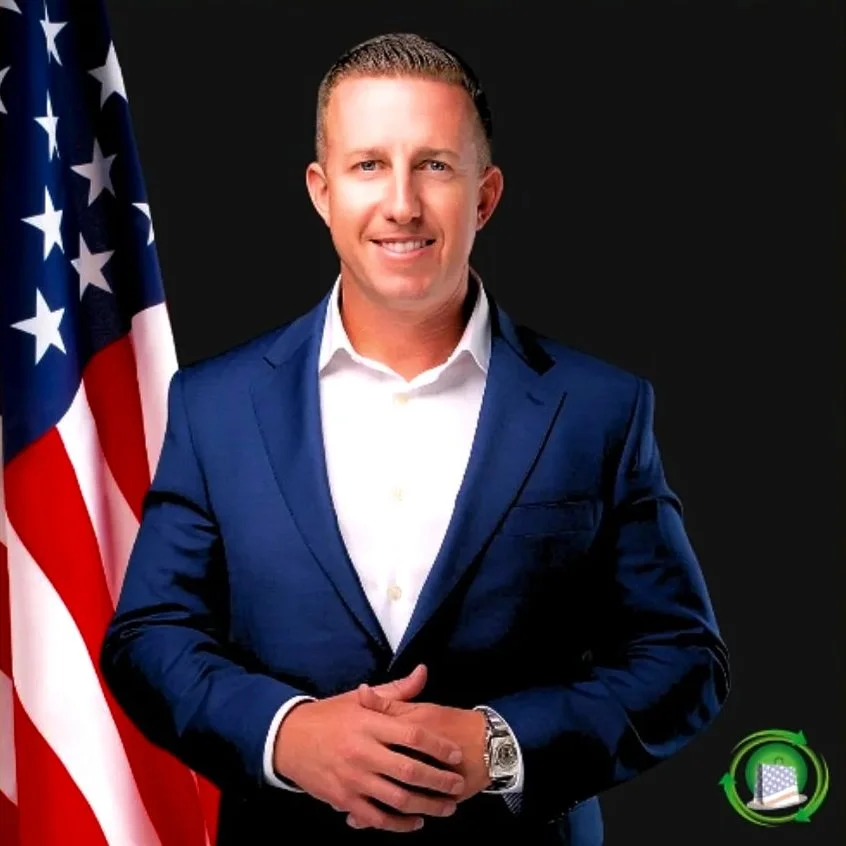
![A man in a blue suit and white shirt standing in front of an American flag against a black background.]()
Retired U.S. Army First Sergeant Kevin D. Shoun
Senior Advisor | Civic Leadership and Policy Development
-
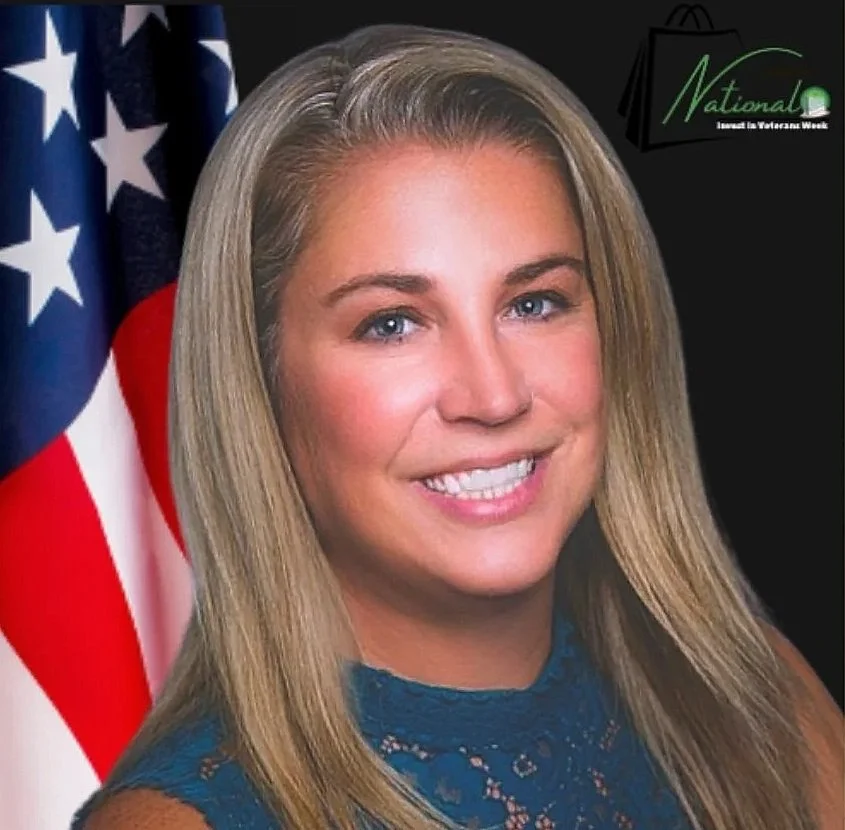
![A woman with blonde hair smiling in front of an American flag and a black background with a logo that says 'National Invest in Veteran Owned Business Week.']()
Sara Pomposo
Chief Advisor | Audience Growth & Strategic Syndication
-
![A man in a red shirt holding a music award trophy, standing next to a framed platinum record plaque on display, with framed posters and awards hanging on the wall behind him.]()
Jim Freeman of The Five Satins
GRAMMY Hall of Famer | Brand Ambassador
-
![A man with gray hair and glasses stands behind a music stand, speaking into a microphone while using hand gestures, against a dark background.]()
Pastor Ron Henson
Social Impact Advisor | Navy Veteran
-
![A man in a U.S. military uniform in front of an American flag.]()
LTC Rickey L. Pope USA, Ret.
CO-FOUNDER | Retired Army Veteran, Retired Firefighter
-
![A man in a gray blazer and shirt posing with arms crossed in front of a city skyline at dusk, with buildings and a bridge reflected in the water.]()
Jeff Shuford
CO-FOUNDER | Iraq War Veteran & Military Spouse
-
![Three men in a discussion in an office break room with black and white geometric wallpaper. One man with a beard, wearing glasses and a suit, is talking to a bald man wearing a black sweater, who is making a gesture with his hands. The third man with dreadlocks, dressed in a blue suit and holding papers, listens attentively.]()
Drayton Florence
CO-FOUNDER | NFL Veteran & Military Brat
-
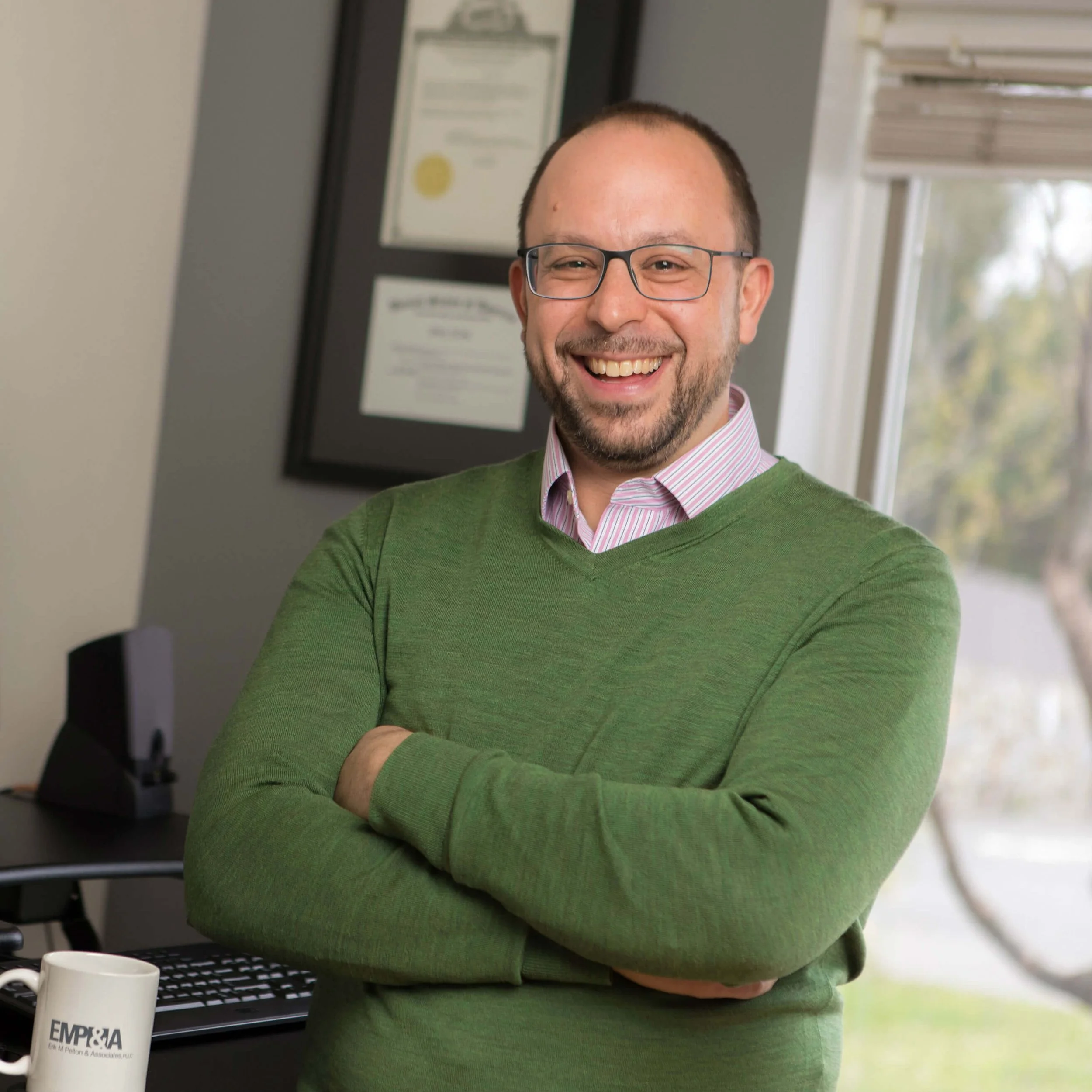
![A smiling man with glasses, wearing a green sweater over a striped collared shirt, standing with crossed arms in an office space near a window, with framed certificates on the wall behind him.]()
Erik M. Pelton & Associates, PLLC
Trademark Attorney | Veteran IP Advocate
-
![A man in a green vest with a plaid shirt and bow tie standing in front of a booth labeled 'Body Aqua' at a trade show or expo.]()
CPT Sherman WIlliams, USA, Ret.
Advisor | Retired Army Veteran
-
![Two men in business suits having a meeting in an office with a window showing a city view, discussing a presentation on a laptop.]()
Brandon Sugar
Legacy UX/UI Designer | Army Veteran
-
![A young man with dark hair styled back, light eyes, and a light beard, wearing a blue suit and white shirt, looking at the camera.]()
Mike Bicek
Creative Director | Army Veteran
-
![A small brown and black puppy sitting on a red folding chair at the beach, with sunglasses and a colorful bag in the background.]()
Private Jewel
Co-Founders Pup | Biewer Terrier
-
![A smiling man wearing sunglasses and a striped white shirt.]()
Lonnell McCall I
Sr. Spokesperson | Retired Navy Veteran
-
![]()
Celeste Everett
Legacy IT Consultant | Army Veteran
-
![Composite image of three young men dressed as a graduate, a football player, and a young man in formal wear against a stadium background.]()
Lonnell McCall II
Jr. Spokesperson | Military Brat
-
![Close-up of a young man with dark brown hair, styled back, with light eyes, a light beard, and wearing a dark shirt, standing in front of a background with horizontal lines.]()
Christopher B. Mueller
Lead Video Spokesperson | Veteran Advocate






“As an educator committed to professional growth, I fully endorse National Invest in Veterans Week® for recognizing that veterans are vital economic assets who deserve tangible support in entrepreneurship and workforce development.”