

Veteran Entrepreneurship: The Key to Boosting the Economy and Supporting Our Heroes. Here's How Legislators Can Take Action
Veteran entrepreneurship can play a significant role in boosting the economy and supporting our heroes. Here are some ways that legislators can take action to support veteran entrepreneurship.

The Power of Networking for Veteran-Owned Businesses: Behind Every Successful Venture
National Invest in Veterans Week celebrates the entrepreneurial spirit and success of veteran-owned businesses. However, behind every successful venture lies a powerful tool that often goes unnoticed: networking. In this post, we will explore the importance of networking for veteran-owned businesses and how it can lead to success. From making connections to expanding your professional network, we will provide real-life examples and actionable tips to help you unlock the power of networking.

Veteran Entrepreneurship: Breaking Barriers and Building the Future of Business
Veterans have a long history of breaking barriers and pushing boundaries, and their entrepreneurship is no exception. Through their unique skills, experiences, and determination, veteran entrepreneurs are breaking down barriers and building the future of business. In this blog post, we'll explore the challenges that veteran entrepreneurs face, the resources available to support them, and the ways in which they are driving innovation and growth in the business world.

Veterans in Business: Supporting Each Other and Driving Economic Growth
Veterans are a vital part of the American economy, contributing to the strength and resilience of our nation through their service and leadership. Now, more than ever, veteran entrepreneurs are driving economic growth and creating new opportunities for themselves and their communities. In this blog post, we'll explore the ways in which veterans are supporting each other and driving innovation in the business world, leveraging their unique skills and experiences to build successful businesses and create jobs.

Unlocking Success: Veteran-Owned Business Tips for the Modern Entrepreneur
Veterans possess a remarkable set of skills and expertise that make them highly suited for entrepreneurship. Their military background instills in them an unwavering work ethic, excellent leadership capabilities, and a remarkable ability to adapt to changing circumstances. These traits are highly beneficial in the fast-paced and constantly evolving world of business. However, establishing and running a successful business can be a daunting task, even for the most seasoned veterans. In this column, we'll delve into the top tips for success as a veteran-owned business in today's economy, as recommended by prosperous veteran entrepreneurs.

Taking the Leap: A Veteran's Guide to Starting a Successful Business
As a veteran, you've already proven yourself to be resilient, hardworking, and committed to a mission. These traits can be invaluable when it comes to starting your own business. However, entrepreneurship comes with its own set of challenges, and it's important to be prepared and informed before taking the leap. In this column, we'll explore some key tips for veterans looking to start a successful business, from identifying a niche to building a strong network of support.

Beyond the Battlefield: How Veterans Can Turn Their Skills into a Successful Business
Veterans have a unique set of skills and experiences that make them ideal candidates for starting and running successful businesses. From their ability to think strategically under pressure to their strong leadership skills, veterans have what it takes to thrive in the business world. However, making the transition from military service to entrepreneurship can be challenging without the right guidance and resources. In this blog post, we’ll explore how veterans can turn their skills into a successful business and provide key tips and resources to help make the transition a success.

Partnering with Veteran-Owned Businesses: How to Create a Successful Affiliate Marketing Program
As a supporter of veteran-owned businesses, you understand the importance of promoting these businesses and helping them succeed. One effective way to do this is through affiliate marketing, which can benefit both the business and its partners. In this article, we'll explore how to partner with veteran-owned businesses and create a successful affiliate marketing program that drives results and supports our veterans.

Celebrating National Invest in Veterans Week: Empowering Veteran Entrepreneurs
Veterans have a wealth of skills and experience that make them well-suited to entrepreneurship. By following these tips and learning from the experience of successful veteran entrepreneurs, you can unlock the key to success in today's fast-paced economy. Read on to discover tips for building a thriving veteran-owned business, including the importance of having a clear vision, being adaptable, networking, understanding finances, and persevering through challenges.

How to Start Your Own Veteran-Owned Business During National Invest In Veterans Week
If you're a veteran with an entrepreneurial spirit, National Invest In Veterans Week is the perfect time to start your own business. This annual event celebrates and supports veteran-owned businesses, providing resources and opportunities to help them thrive. In this article, we'll explore how you can start your own veteran-owned business during National Invest In Veterans Week.

How Legislators Can Support Veterans Through Voice Search Technology and SEO
As our nation's heroes, veterans have made significant sacrifices to protect our freedoms. Supporting veteran-owned businesses is one way we can give back to these brave men and women who have served our country. In this article, we will explore how legislators can use voice search technology and SEO to support veterans and their businesses. By leveraging these digital tools, we can help more people find and support veteran-owned businesses and honor our nation's heroes.
Established Veteran Business Owners: Mastering Digital Marketing Strategies in 2023
As a veteran business owner, you know what it takes to succeed in a highly competitive market. But in today's digital age, having a solid marketing strategy is more important than ever. With so many businesses vying for attention online, how can you ensure that your message is heard and that you're attracting the right customers? In this article, we'll explore the latest digital marketing trends and strategies that can help you take your established veteran-owned business to the next level.

National Invest In Veterans Week Wins Multiple Awards in 2021
A team of military veterans recently racked up a string of impressive wins for their revolutionary social impact organization. Coined National Invest In Veterans Week, the organization's mission is to empower the public to invest in the veteran population through veteran-owned business sustainment, educational development, and mental health empowerment. Celebrated during the first week of March, National Invest In Veterans Week's vision has made its way to South Carolina's legislatures. Concurrent Resolution 3825 was passed in February to honor veteran business owners during the week-long celebration statewide.

Press Release: National Invest In Veterans Week Wins Multiple Awards in 2021
National Invest In Veterans Week is led by nationally syndicated columnist and Philadelphia native Jeff Shuford.
Why You Should Run Your Veteran Owned Business Like a Tech Startup
In today’s technological world, it’s apparent that Tech Startup’s are doing something right. They are getting all of the press, developing digital products that drive future innovation and their businesses are utilizing technology properly. Although we have so much innovation around us, we often find that most business owners are slow to adapt to the changing technological times.

Become a More Impactful Veteran Business Owner by Learning Sales Acceleration Strategies
If you are a veteran small business owner needing to increase revenues for your company this year significantly, it is imperative you strategically approach growth. If you're going to accelerate your company's profits this year, integrate the following five simple steps into your sales plan-of-action.

National Invest In Veterans Week Launches The American Society of Veteran Business Owners
Earlier this year, National Invest In Veterans Week, a Tech From Vets brand, launched the American Society of Veteran Business Owners to help veteran entrepreneurs nationwide. Created to help veteran entrepreneurs build a community of like-minded warriors that served our nation with distinction, the society is aimed at connecting veterans at every stage of business development. "With so many veterans exiting the military interested in starting their businesses, the need to create an organization catered to serving their needs is an essential element to National Invest In Veterans Week," stated ASVBO co-founder Jeff Shuford. A 2018 study by the Small Business Administration (SBA) discovered numerous issues facing aspiring veteran business owners, and the American Society of Veteran Business Owners intends to highlight those issues.

5 FORMIDABLE WAYS TO FEEL MORE EMPOWERED AS A VETERAN ENTREPRENEUR
For veteran entrepreneurs who want to enjoy long-lasting careers as business developers, believing in your abilities is crucial. You can't hope to earn the admiration and respect of others if you don't first believe in your strengths as a veteran entrepreneur.

South Carolina Passes Resolution To Commemorate National Invest In Veterans Week
South Carolina Senate Resolution to Commemorate National Invest In Veterans Week March 1-7.

NATIONAL INVEST IN VETERANS WEEK 2021
National Invest In Veterans Week is a celebration observed annually from March 1 through March 7. During this week, the public is encouraged to recognize aspiring and established veteran entrepreneurs for their contributions to the economy. The week aims to empower the veteran population through veteran-owned business sustainment, educational development, and mental health empowerment. Founded in 2019 by NFL veteran Drayton Florence and Iraq War veteran Jeff Shuford, National Invest In Veterans Week has since been launched by Tech From Vets, an award-winning veteran-owned technology company. The week provides a platform to promote and support veteran-owned businesses and highlights the invaluable impact veterans have on the economic ecosystems nationwide.

🫡Our Team
-
![A woman wearing a navy blazer with an embroidered coat of arms, gold lapel pin, and jewelry, sitting with her hands clasped, with American flags in the background.]()
President Angel Shuford
Chief Financial Officer (CFO) | Army Veteran
-
![A man in a blue suit and white shirt standing in front of an American flag against a black background.]()
Retired U.S. Army First Sergeant Kevin D. Shoun
Senior Advisor | Civic Leadership and Policy Development
-
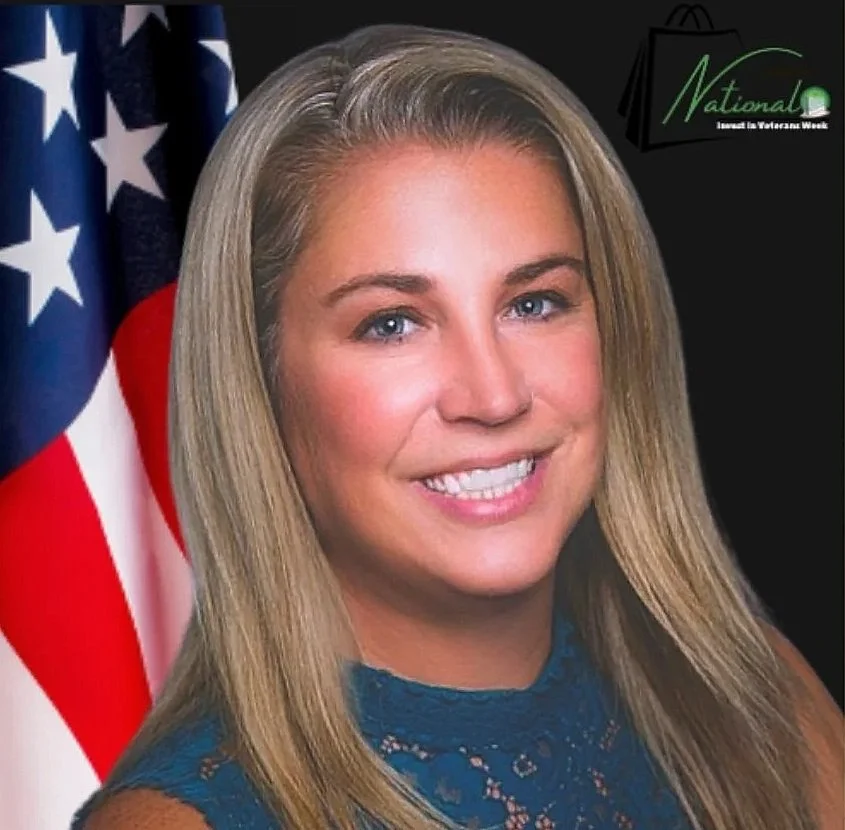
![A woman with blonde hair smiling in front of an American flag and a black background with a logo that says 'National Invest in Veteran Owned Business Week.']()
Sara Pomposo
Chief Advisor | Audience Growth & Strategic Syndication
-
![A man in a red shirt holding a music award trophy, standing next to a framed platinum record plaque on display, with framed posters and awards hanging on the wall behind him.]()
Jim Freeman of The Five Satins
GRAMMY Hall of Famer | Brand Ambassador
-
![A man with gray hair and glasses stands behind a music stand, speaking into a microphone while using hand gestures, against a dark background.]()
Pastor Ron Henson
Social Impact Advisor | Navy Veteran
-
![A man in a U.S. military uniform in front of an American flag.]()
LTC Rickey L. Pope USA, Ret.
CO-FOUNDER | Retired Army Veteran, Retired Firefighter
-
![A man in a gray blazer and shirt posing with arms crossed in front of a city skyline at dusk, with buildings and a bridge reflected in the water.]()
Jeff Shuford
CO-FOUNDER | Iraq War Veteran & Military Spouse
-
![Three men in a discussion in an office break room with black and white geometric wallpaper. One man with a beard, wearing glasses and a suit, is talking to a bald man wearing a black sweater, who is making a gesture with his hands. The third man with dreadlocks, dressed in a blue suit and holding papers, listens attentively.]()
Drayton Florence
CO-FOUNDER | NFL Veteran & Military Brat
-
![A smiling man with glasses, wearing a green sweater over a striped collared shirt, standing with crossed arms in an office space near a window, with framed certificates on the wall behind him.]()
Erik M. Pelton & Associates, PLLC
Trademark Attorney | Veteran IP Advocate
-
![A man in a green vest with a plaid shirt and bow tie standing in front of a booth labeled 'Body Aqua' at a trade show or expo.]()
CPT Sherman WIlliams, USA, Ret.
Advisor | Retired Army Veteran
-
![Two men in business suits having a meeting in an office with a window showing a city view, discussing a presentation on a laptop.]()
Brandon Sugar
Legacy UX/UI Designer | Army Veteran
-
![A young man with dark hair styled back, light eyes, and a light beard, wearing a blue suit and white shirt, looking at the camera.]()
Mike Bicek
Creative Director | Army Veteran
-
![A small brown and black puppy sitting on a red folding chair at the beach, with sunglasses and a colorful bag in the background.]()
Private Jewel
Co-Founders Pup | Biewer Terrier
-
![A smiling man wearing sunglasses and a striped white shirt.]()
Lonnell McCall I
Sr. Spokesperson | Retired Navy Veteran
-
![]()
Celeste Everett
Legacy IT Consultant | Army Veteran
-
![Composite image of three young men dressed as a graduate, a football player, and a young man in formal wear against a stadium background.]()
Lonnell McCall II
Jr. Spokesperson | Military Brat
-
![Close-up of a young man with dark brown hair, styled back, with light eyes, a light beard, and wearing a dark shirt, standing in front of a background with horizontal lines.]()
Christopher B. Mueller
Lead Video Spokesperson | Veteran Advocate








“As an educator committed to professional growth, I fully endorse National Invest in Veterans Week® for recognizing that veterans are vital economic assets who deserve tangible support in entrepreneurship and workforce development.”