

Band of Brothers and Sisters: How Veterans Are Starting and Growing Businesses Together
The veteran community has a deep sense of camaraderie and support for one another. This bond doesn't fade away once their service is complete; instead, it continues to thrive as they transition into civilian life. One way veterans are supporting each other is by starting and growing businesses together. Through their collective experience and skillsets, they are creating successful enterprises and contributing to the economy in meaningful ways. In this article, we'll explore how veterans are banding together to build successful businesses and the impact they are making in the entrepreneurial world.
Veterans have a unique set of skills and experiences that make them well-suited for entrepreneurship. From their time in the military, they have developed strong leadership skills, discipline, and a can-do attitude. They have learned to adapt quickly to changing circumstances and make decisions under pressure. These skills are invaluable in the world of entrepreneurship, where quick thinking and problem-solving are essential. Many veterans have taken these skills and put them to work by starting their own businesses.
Starting a business can be a daunting task, but veterans are not alone in this journey. There are numerous organizations and programs dedicated to helping veteran entrepreneurs get started. These organizations provide training, mentorship, and access to capital, making it easier for veterans to start and grow their businesses. One example is the Veterans Business Outreach Center (VBOC), which offers counseling, training, and mentoring to veteran entrepreneurs. The VBOC has helped countless veterans start and grow their businesses, and they continue to be a valuable resource for veterans looking to start a business.
In addition to organizations like the VBOC, many veterans are finding success by partnering with other veterans. These "band of brothers and sisters" are leveraging their shared experiences and skillsets to build successful businesses together. By working together, they can pool their resources and expertise to create a stronger business. This partnership also provides emotional support and camaraderie, which is crucial for many veterans transitioning into civilian life.
One example of a successful veteran partnership is Two Marines Moving. This moving company was started by two Marines who met while serving in Iraq. They used their military training and discipline to build a successful business that is now thriving in the civilian world. Another example is RuckPack, a supplement company started by Marine Corps veterans. These veterans used their experience in the military to create a line of products aimed at improving mental and physical performance. By leveraging their military experience, these veterans were able to create successful businesses that continue to grow.
Veterans are also finding success by banding together to win government contracts. The federal government has a goal of awarding 3% of all federal contracts to service-disabled veteran-owned small businesses. This goal creates opportunities for veteran entrepreneurs to win government contracts and grow their businesses. By working together, veterans can pool their resources and expertise to compete for these contracts and create a more diverse and inclusive government contractor pool.
As veterans transition from military to civilian life, they often struggle to find meaningful work that matches their skills and experience. However, entrepreneurship provides a path for veterans to create their own opportunities and build successful businesses. Veterans bring a unique set of skills to the entrepreneurial world, including discipline, leadership, and a strong work ethic. They also have experience working in high-pressure environments, which can be an asset in the fast-paced world of business.
One example of a successful veteran-owned business is Rakkasan Tea Company, founded by Army veteran Brandon Friedman. The company sells high-quality, loose-leaf tea and donates a portion of their profits to veteran-focused charities. The company's name is a nod to Friedman's former unit, the 3rd Brigade Combat Team of the 101st Airborne Division, also known as the Rakkasans. Through his business, Friedman has found a way to honor his military service and give back to the veteran community.
Another example is Sword & Plough, a company founded by sisters Emily and Betsy Nunez, both Army veterans. The company repurposes military surplus materials, such as tents and parachutes, to create stylish and durable bags, accessories, and clothing. In addition to providing a high-quality product, Sword & Plough also employs veterans and donates 10% of its profits to veteran-focused organizations.
These examples highlight the power of veterans working together to build successful businesses. By leveraging their shared experiences and networks, veterans can support each other in their entrepreneurial endeavors. This camaraderie is also evident in organizations like Bunker Labs, which provides resources and mentorship to veteran entrepreneurs. Through these networks, veterans can access the support and guidance they need to start and grow their businesses.
As a society, we can do more to support veteran entrepreneurs and help them achieve success. This includes providing access to capital, offering mentorship and training programs, and creating more opportunities for veteran-owned businesses to win government contracts. In addition, we can all do our part by choosing to support veteran-owned businesses whenever possible. By doing so, we not only help these businesses succeed, but we also show our appreciation for the sacrifices that veterans have made for our country.
In conclusion, veterans are a powerful force in entrepreneurship, and their camaraderie and shared experiences only strengthen their abilities to build successful businesses together. By providing resources and opportunities, we can support these entrepreneurs and help them achieve success. And by choosing to do business with veteran-owned companies, we can show our appreciation for their service and contribute to a more vibrant and inclusive entrepreneurial ecosystem.

Veterans Unite to Build Successful Businesses: A Powerful Force in Entrepreneurship
As veterans transition back to civilian life, many are turning to entrepreneurship as a way to build successful careers and make a lasting impact. In fact, veterans are 45% more likely to start their own business than non-veterans, according to the Small Business Administration. But what makes veterans such a powerful force in entrepreneurship? It's their collective mindset and support network. In this blog post, we'll explore the growing community of veteran-owned businesses and how they are banding together to achieve success.
As veterans return home from military service, many face the challenge of finding meaningful employment in the civilian world. However, a growing number of veterans are turning to entrepreneurship as a way to build successful careers and make a lasting impact. In fact, veterans are 45% more likely to start their own business than non-veterans, according to the Small Business Administration. But what makes veterans such a powerful force in entrepreneurship? It's their collective mindset and support network.
The Community of Veteran-Owned Businesses
Veterans are not only starting their own businesses, but they are also supporting each other in the process. The community of veteran-owned businesses is growing, and veterans are banding together to share resources, offer mentorship, and provide camaraderie. This support network is crucial for veterans, who often face unique challenges as entrepreneurs. Veterans may have limited access to capital, experience cultural differences in the business world, or struggle with mental health issues such as PTSD. However, by coming together as a community, they can overcome these obstacles and achieve success.
The Benefits of Hiring Veterans
In today's competitive business environment, companies are always looking for ways to gain a competitive advantage. One way to achieve this is by hiring veterans. Veterans are a valuable asset to existing companies due to their unique skills and experiences. Their military training has taught them leadership, discipline, and a strong work ethic, which are essential qualities in any workplace. They also have experience working in diverse teams, adapting to new environments, and solving complex problems, which are valuable skills in today's fast-paced business world.
Moreover, hiring veterans is not only beneficial for the companies but also for the veterans themselves. After serving their country, many veterans struggle to find meaningful employment. By hiring veterans, companies can help them transition to civilian life and provide them with the opportunities they deserve. Companies can also benefit from the skills and experiences that veterans bring to the table. Veterans have proven to be highly reliable and dedicated employees, which can lead to higher productivity, lower turnover rates, and better customer satisfaction.
In addition to these benefits, many companies are recognizing the value of having a diverse and inclusive workforce. Hiring veterans can help companies achieve this goal by bringing in individuals with different backgrounds, perspectives, and experiences. This diversity can lead to more innovative solutions, better decision-making, and improved creativity. Companies can also leverage their support of veterans to improve their brand image and attract new customers who value companies that are socially responsible.
In conclusion, hiring veterans is a win-win for both veterans and companies. Veterans bring unique skills and experiences to the workplace, which can lead to higher productivity, lower turnover rates, and better customer satisfaction. Companies can also benefit from having a more diverse and inclusive workforce, which can lead to more innovative solutions and better decision-making. By recognizing the value of veterans and actively seeking to hire them, companies can make a positive impact on society while also achieving their business objectives.
Supporting Veteran Entrepreneurs
As a society, we have a duty to support our veteran entrepreneurs. They have served our country with honor and distinction, and they possess the skills, discipline, and determination necessary to succeed as business owners. However, they face unique challenges when it comes to starting and growing businesses, including limited access to capital, a lack of mentorship and training programs, and a scarcity of opportunities to win government contracts.
To address these challenges, we can take a number of steps. First, we can provide more access to capital through government programs and private investment networks. We can also create more mentorship and training programs specifically tailored to the needs of veteran entrepreneurs, including programs that focus on digital marketing, financial management, and other key business skills.
In addition, we can work to create more opportunities for veteran-owned businesses to win government contracts. This includes streamlining the contracting process, reducing bureaucracy, and ensuring that veteran-owned businesses have a fair shot at competing for contracts.
But perhaps the most important thing we can do is to choose to support veteran-owned businesses whenever possible. By buying from these businesses, we help to create a more vibrant and inclusive entrepreneurial ecosystem. We show our appreciation for their service and sacrifice, and we help to build a stronger economy for everyone.
In conclusion, veterans are a powerful force in entrepreneurship. They possess the skills, discipline, and determination necessary to succeed as business owners. As a society, we can support them by recognizing their value, providing resources and opportunities, and choosing to do business with them. Together, we can create a more vibrant and inclusive entrepreneurial ecosystem that benefits us all. Let's honor our veterans by supporting their businesses and helping them achieve success.
Jeff Shuford is an Iraq War veteran, nationally syndicated columnist, and co-founder of National Invest in Veterans Week. He's a thought leader in digital marketing and a powerful advocate for veteran entrepreneurs. Under his leadership, National Invest in Veterans Week has become a force in the world of entrepreneurship. The South Carolina Senate recognized his advocacy by issuing a proclamation in 2021.

Veteran-Owned Businesses: The Rise of a Strong and Supportive Community
Veteran-owned businesses are on the rise and making a significant impact on the economy. These businesses are not only creating jobs but also contributing to the growth and development of their local communities. With the support of various organizations and initiatives, veteran entrepreneurs are thriving and proving that they have what it takes to succeed in the business world. In this blog post, we'll dive deeper into the growing community of veteran-owned businesses and the resources available to help them succeed.
Veteran-owned businesses make up a significant portion of the small business community, with over 2.5 million veteran-owned businesses in the United States. These businesses are not only contributing to the economy but also providing employment opportunities for fellow veterans. According to the Small Business Administration, veteran-owned businesses employ over 5 million people and generate over $1 trillion in annual revenue.
One organization that is playing a significant role in supporting veteran-owned businesses is the Veterans Business Outreach Center (VBOC). The VBOC provides free business training, counseling, and resources to help veteran entrepreneurs start and grow their businesses. They also offer assistance with accessing capital and procurement opportunities.
Another initiative that is helping veteran-owned businesses succeed is the Veteran Entrepreneur Portal (VEP). The VEP is an online resource that provides information on a wide range of topics, including starting a business, financing, and marketing. It also features a directory of veteran-owned businesses, making it easy for consumers to support these businesses.
In addition to these resources, there are also various government programs that provide support to veteran-owned businesses. For example, the Service-Disabled Veteran-Owned Small Business Concern Program helps businesses owned by service-disabled veterans compete for federal contracts. The program also provides access to training and support to help these businesses grow and succeed.
The support for veteran-owned businesses is not just limited to organizations and government programs. Consumers also play a crucial role in helping these businesses succeed. By choosing to shop at veteran-owned businesses, consumers can help support their fellow veterans and contribute to the growth and development of their local communities.
The journey of a veteran entrepreneur can be challenging, but with the right support and resources, they can build successful businesses and make a significant impact on their communities. Veteran entrepreneurs bring unique skills and experiences to the business world, making them a valuable asset to the economy.
One of the biggest challenges that veteran entrepreneurs face is access to capital. According to a report by the Small Business Administration, veteran-owned businesses are less likely to receive loans than non-veteran-owned businesses. This is where organizations like StreetShares come in. StreetShares is a social lending platform that provides loans to veteran-owned businesses. They offer a range of loan options, including term loans, lines of credit, and invoice financing.
Another organization that is supporting veteran entrepreneurs is Bunker Labs. Bunker Labs is a nonprofit organization that provides education, resources, and mentorship to veteran entrepreneurs. They offer a range of programs, including the Entrepreneurial Program, which helps veterans start and grow their businesses, and the CEOCircle Program, which provides mentorship and support to veteran business owners.
The rise of veteran-owned businesses is not only a reflection of the entrepreneurial spirit of veterans but also the impact of organizations and initiatives that provide support and resources to these entrepreneurs. As these businesses continue to grow, they are contributing to the overall strength and diversity of the American economy.
In conclusion, the growing community of veteran-owned businesses is a testament to the entrepreneurial spirit and resilience of our veterans. With the support of organizations, initiatives, and consumers, veteran entrepreneurs are overcoming challenges and building successful businesses. By supporting veteran-owned businesses, we not only contribute to the economy but also honor the service and sacrifice of our veterans.

🫡Our Team
-
![A woman wearing a navy blazer with an embroidered coat of arms, gold lapel pin, and jewelry, sitting with her hands clasped, with American flags in the background.]()
President Angel Shuford
Chief Financial Officer (CFO) | Army Veteran
-
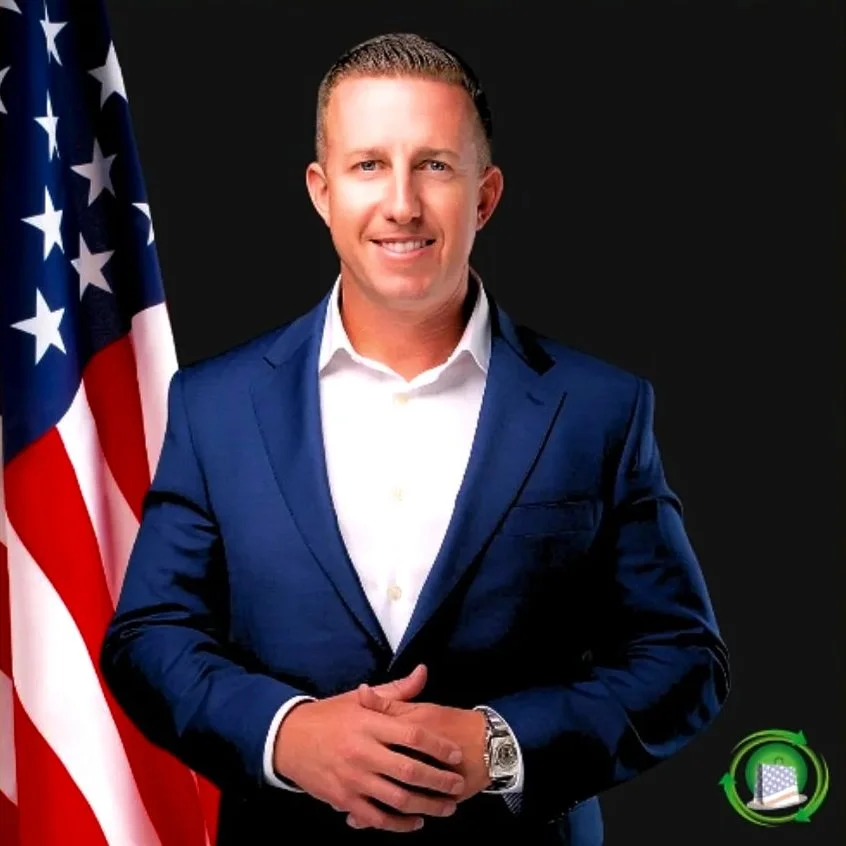
![A man in a blue suit and white shirt standing in front of an American flag against a black background.]()
Retired U.S. Army First Sergeant Kevin D. Shoun
Senior Advisor | Civic Leadership and Policy Development
-
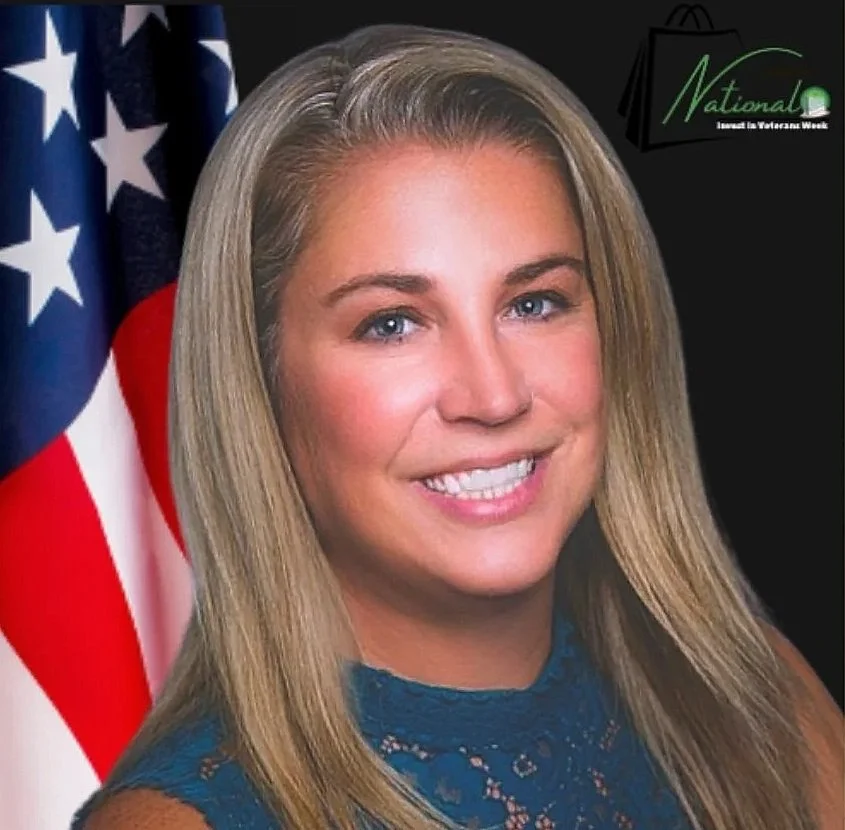
![A woman with blonde hair smiling in front of an American flag and a black background with a logo that says 'National Invest in Veteran Owned Business Week.']()
Sara Pomposo
Chief Advisor | Audience Growth & Strategic Syndication
-
![A man in a red shirt holding a music award trophy, standing next to a framed platinum record plaque on display, with framed posters and awards hanging on the wall behind him.]()
Jim Freeman of The Five Satins
GRAMMY Hall of Famer | Brand Ambassador
-
![A man with gray hair and glasses stands behind a music stand, speaking into a microphone while using hand gestures, against a dark background.]()
Pastor Ron Henson
Social Impact Advisor | Navy Veteran
-
![A man in a U.S. military uniform in front of an American flag.]()
LTC Rickey L. Pope USA, Ret.
CO-FOUNDER | Retired Army Veteran, Retired Firefighter
-
![A man in a gray blazer and shirt posing with arms crossed in front of a city skyline at dusk, with buildings and a bridge reflected in the water.]()
Jeff Shuford
CO-FOUNDER | Iraq War Veteran & Military Spouse
-
![Three men in a discussion in an office break room with black and white geometric wallpaper. One man with a beard, wearing glasses and a suit, is talking to a bald man wearing a black sweater, who is making a gesture with his hands. The third man with dreadlocks, dressed in a blue suit and holding papers, listens attentively.]()
Drayton Florence
CO-FOUNDER | NFL Veteran & Military Brat
-
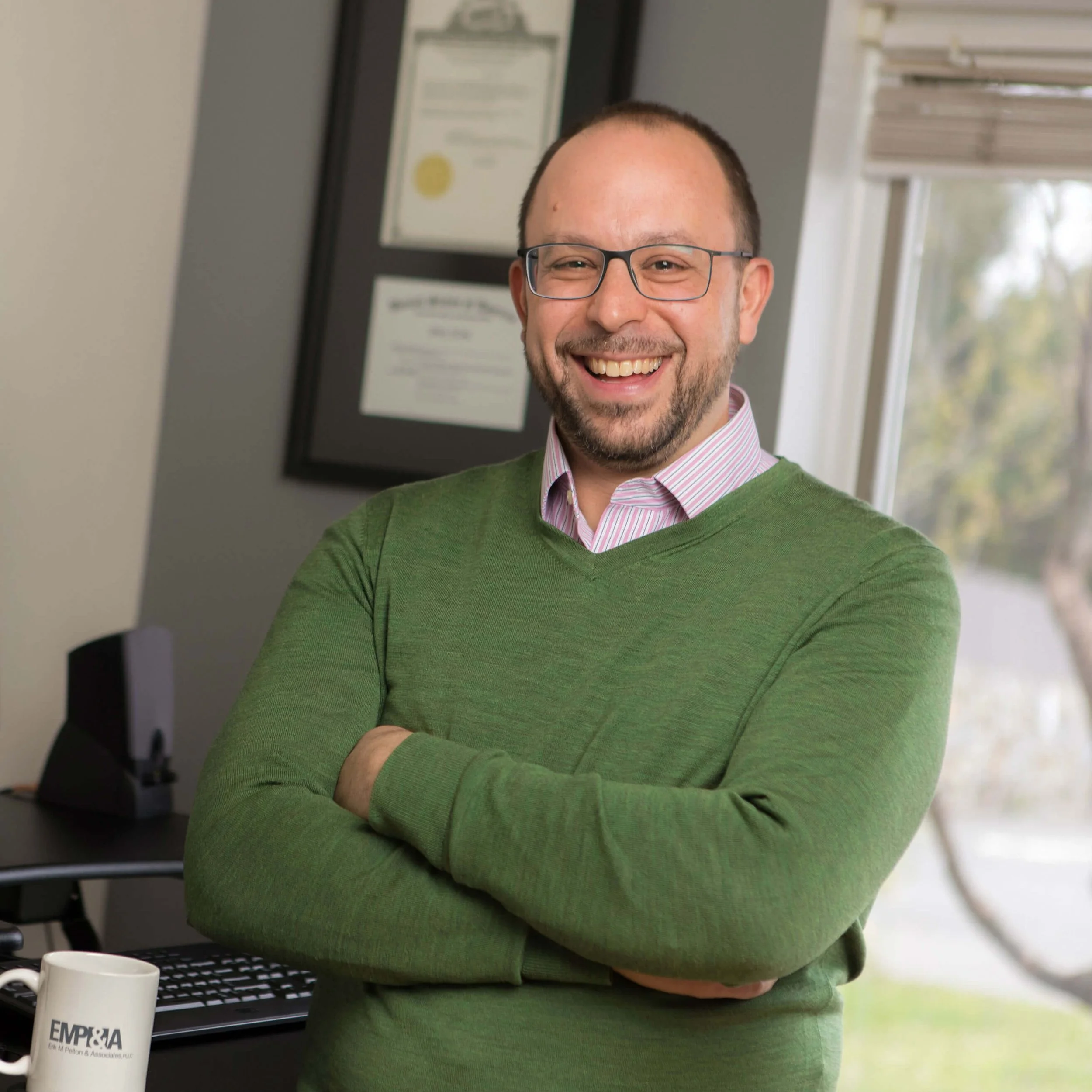
![A smiling man with glasses, wearing a green sweater over a striped collared shirt, standing with crossed arms in an office space near a window, with framed certificates on the wall behind him.]()
Erik M. Pelton & Associates, PLLC
Trademark Attorney | Veteran IP Advocate
-
![A man in a green vest with a plaid shirt and bow tie standing in front of a booth labeled 'Body Aqua' at a trade show or expo.]()
CPT Sherman WIlliams, USA, Ret.
Advisor | Retired Army Veteran
-
![Two men in business suits having a meeting in an office with a window showing a city view, discussing a presentation on a laptop.]()
Brandon Sugar
Legacy UX/UI Designer | Army Veteran
-
![A young man with dark hair styled back, light eyes, and a light beard, wearing a blue suit and white shirt, looking at the camera.]()
Mike Bicek
Creative Director | Army Veteran
-
![A small brown and black puppy sitting on a red folding chair at the beach, with sunglasses and a colorful bag in the background.]()
Private Jewel
Co-Founders Pup | Biewer Terrier
-
![A smiling man wearing sunglasses and a striped white shirt.]()
Lonnell McCall I
Sr. Spokesperson | Retired Navy Veteran
-
![]()
Celeste Everett
Legacy IT Consultant | Army Veteran
-
![Composite image of three young men dressed as a graduate, a football player, and a young man in formal wear against a stadium background.]()
Lonnell McCall II
Jr. Spokesperson | Military Brat
-
![Close-up of a young man with dark brown hair, styled back, with light eyes, a light beard, and wearing a dark shirt, standing in front of a background with horizontal lines.]()
Christopher B. Mueller
Lead Video Spokesperson | Veteran Advocate






“As an educator committed to professional growth, I fully endorse National Invest in Veterans Week® for recognizing that veterans are vital economic assets who deserve tangible support in entrepreneurship and workforce development.”